Blog

  • Evaluating WASH Interventions’ impact in Bwari council

    Evaluating WASH Interventions’ impact in Bwari council

    Evaluating WASH Interventions’ impact in Bwari council
    A News Analysis by Veronica Dariya, News Agency of Nigeria (NAN)

    For many residents of Bwari Area Council in the Federal Capital Territory (FCT), access to clean water and decent sanitation has long been a daily struggle.

    Across several rural and peri-urban communities, women and children traditionally trekked long distances to fetch water from unsafe sources.

    Consequently, poor sanitation and hygiene practices often led to frequent outbreaks of waterborne diseases.

    However, this narrative is gradually changing as targeted Water, Sanitation and Hygiene (WASH) interventions begin to take root.

    Water is life, yet for years communities such as Sabon-Gari, Baran-Goni, Tudun-Fulani, Dakwa, Zuma and other settlements in Bwari Area Council endured unreliable access to potable water.

    Shallow wells and water vendors, locally known as mai ruwa, often served as primary sources, exposing residents to cholera, typhoid and diarrhoea.

    In response to these challenges, coordinated WASH activities implemented by government agencies, development partners and non-governmental organisations have sought to address the gaps head-on.

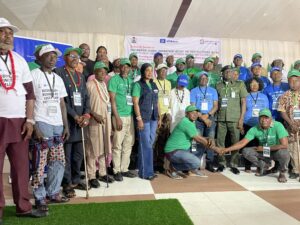
    One notable effort is the collaboration involving WaterAid Nigeria, The Church of Jesus Christ of Latter-Day Saints, the FCT Rural Water Supply and Sanitation Agency (RUWASSA) and Bwari Area Council, among others.

    The partnership birthed a 14-month project beginning in 2024, organised by WaterAid and funded by The Church of Jesus Christ of Latter-Day Saints.

    The initiative aimed to strengthen WASH service delivery in selected communities across the council.

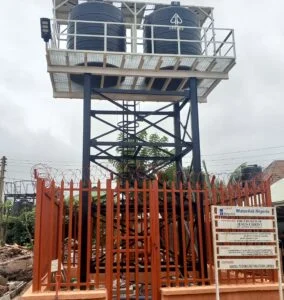
    As part of the intervention, boreholes were drilled, broken water facilities rehabilitated, and hand pumps installed, greatly improving access to safe water in beneficiary communities.
    As a result, many households now enjoy access to clean water within close proximity, improving daily life and overall wellbeing.

    Mr Williams Kolo, WASH Coordinator of the council, said that over 10,000 residents in the target communities have benefited from improved access to clean water through the project.

    Providing an overview of the project’s outcomes, Kolo said residents of Baran-Goni, Zuma II, Sabon-Gari, Dakwa and LEA Primary School, Tudun-Fulani, now have reliable access to potable water.

    He added that beneficiaries were also equipped with WASH management skills and sanitation promotion messages.

    “As of 2024, about 10,000 people gained access to clean water, while 647 people gained access to safely managed sanitation facilities.

    “In addition, 3,500 people, including women and children, were reached with sanitation promotion messages,” he said.

    According to him, the project involved the construction and rehabilitation of solar- and electric-powered boreholes with 10,000-litre and 20,000-litre capacities in four communities and one school, alongside water kiosks.

    “Furthermore, 115 members; 67 males and 48 females of WASH management structures and hygiene promoters were trained across the four beneficiary communities.

    “It is also noteworthy that water points in the five facilities across the four communities and school were certified to have zero coliform levels,” Kolo added.

    Looking ahead, Kolo said partners had mapped out an investment plan to sustain and replicate the intervention across other communities.

    He explained that this would ensure wider access to clean water, while the council’s WASH unit would work to secure funding for similar projects in subsequent budgets.

    Beyond infrastructure, the intervention has delivered tangible social benefits, especially for women and girls, who traditionally bear the burden of water collection.

    Mrs Mairo Dara, a resident of Sabon-Gari, said girls who once missed school due to long water-fetching journeys now attend classes early and regularly because of the proximity of boreholes.

    She noted that community members are healthier and more productive, while households can now redirect funds previously spent on treating preventable diseases towards food and other necessities.

    According to Dara, functional water points also enhance the image of communities, encouraging settlement growth and, in some cases, attracting small businesses.

    “One of my expectations from the WASH intervention is improved public health, with a visible decline in water-related illnesses, especially among children under five.

    “With access to safe drinking water and better sanitation facilities, families will be less exposed to harmful pathogens,” she said.

    Equally significant is the improvement in sanitation facilities, especially in schools.

    Mallam Shehu Usman, from the office of the Sarkin Bwari, said access to improved sanitation facilities in beneficiary schools has enhanced hygiene practices among pupils.

    He noted that the gender-sensitive toilet and sanitation facility provided at LEA Primary School, Tudun-Fulani, has promoted dignity, privacy and confidence among female pupils.

    Speaking further, Usman said community-led sanitation programmes have played, and will continue to play a critical role in promoting hygiene.

    “Through sensitisation on proper waste disposal, handwashing with soap and the construction of household latrines, residents are increasingly adopting healthier hygiene practices.

    “These simple changes have proven effective in preventing disease and reducing pressure on local health centres,” he said.

    However, he stressed the need for continuous training of Water User Committees and local sanitation champions to maintain facilities, promote hygiene awareness and ensure sustainability.

    According to him, this approach not only extends the lifespan of WASH facilities but also empowers communities to take ownership of their environment.

    He therefore called for greater involvement of traditional leaders, youth groups and women’s associations to improve acceptance, cultural relevance and long-term behaviour change.

    In spite of the progress recorded, challenges persist.

    Population growth, inadequate maintenance funding and occasional vandalism threaten the sustainability of some WASH facilities.

    In addition, climate variability and water scarcity underscore the need for resilient and well-managed systems.

    Experts emphasise that sustained investment, regular monitoring, and strong collaboration among government, civil society, and communities are essential to consolidating gains and expanding WASH coverage across Bwari Council.

    WASH interventions go beyond boreholes and taps, improving health, education, gender equality, and dignity, while clean water and hygiene awareness help communities become healthier and more resilient.

    Experts further stress that community-driven approaches; including behaviour change communication, Community-Led Total Sanitation (CLTS), improved sanitation facilities, strengthened hygiene practices, local monitoring, and strong partnerships are critical to sustaining WASH progress.

    They note that when communities lead the process, supported by government and development partners, cleaner and healthier environments become achievable and sustainable, restoring hope, dignity, and protecting lives in the pursuit of sustainable development. (NANFeatures)


    Source: NAN – https://nannews.ng/2026/01/12/evaluating-wash-interventions-impact-in-bwari-council/
  • History beckons as Senegal, Egypt clash in 2025 AFCON semi-finals

    History beckons as Senegal, Egypt clash in 2025 AFCON semi-finals

    By Victor Okoye, News Agency of Nigeria (NAN)

    A familiar heavyweight rivalry will be renewed on Wednesday when Senegal take on Egypt in the semi-finals of the 2025 Africa Cup of Nations (AFCON).

    The encounter, scheduled for 5 p.m. (Nigerian time) at the Grande Stade de Tangier, will be the sixth AFCON meeting between the two sides and their second semi-final clash.

    Senegal, champions in 2021, are targeting a fourth AFCON final appearance, while Egypt are aiming to reach the final for a record 10th time.

    Both sides have shared honours at AFCON, with two wins apiece and the only draw coming in the 2021 final, which was decided on penalties.

    Senegal won the penalties, defeating Egypt 4–2 after the match ended 0–0 in regulation and extra time.

    History suggests that victory in knockout matches between the two often leads to ultimate glory, with winners of their previous knockout encounters going on to lift the trophy in 2006 and 2021.

    Senegal come into the match on the back of an impressive run, remaining unbeaten in their last 16 AFCON matches.

    They are unbeaten in their last nine AFCON matches, scoring in all the nine matches. They have so far scored 11 goals at the tournament.

    Senegal Coach Pape Thiaw said his side’s confidence had been boosted by their consistency and quality performances.

    “We respect Egypt’s pedigree and experience, but our ambition is clear. We want to reach another final and we believe our style of football can take us there,” Thiaw said.

    Thiaw could also make history by becoming the first coach to lead Senegal to the finals of two senior CAF competitions, having guided the country to success at the 2022 African Nations Championship (CHAN).

    Egypt, seven-time AFCON champions, remain the most successful nation at this stage of the competition.

    They have progressed from their last seven semi-final appearances and are unbeaten in 15 AFCON matches in open play.

    Coach Hossam Hassan, who scored against Senegal at AFCON 2000, described the semi-final tie as another finely balanced contest.

    “These matches are always decided by small details. Senegal are strong, but Egypt know how to manage pressure situations,” Hassan said.

    Egypt have shown greater efficiency in the knockout stages, scoring six goals after netting only three in the group phase.

    Captain Mohamed Salah remains pivotal to their hopes, having scored four goals at the tournament and 11 AFCON goals overall for Egypt.

    However, Senegal have proven to be a difficult opponent for the Liverpool forward, who is yet to score against them in five previous meetings, and Salah acknowledges the task ahead.

    “Senegal have many players performing at the highest level in Europe. It will be difficult, but we will fight for our country,” he said.

    Reflecting on Egypt’s quarter-final victory, Salah said the team was fully focused.

    “It was a perfect win. Nobody is holding anything back. We will give our best again,” he said.

    Senegal Captain Kalidou Koulibaly dismissed concerns over suspensions, in spite of Senegal’s seven players being one booking away from missing the final.

    “Our focus is only on qualifying for the final. We are not making calculations.

    “The priority is qualification, regardless of individual situations.”

    He added that team unity and collective effort would be decisive.

    “We are happy to be in the semi-finals. Names and circumstances do not matter now; only the team counts,” he said.

    Statistics underline Senegal’s dominance in possession, with 2,550 passes completed at an 87 per cent accuracy rate and 43 shots on target.

    Egypt, on the other hand, have recorded 27 shots on target and nine goals, while conceding four goals, the joint-highest among the semi-finalists.

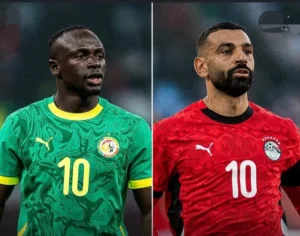
    The match also renews the rivalry between former Liverpool teammates Mohamed Salah and Sadio Mané.

    Mané has created 14 chances at the tournament, the joint-highest, while Salah has created 12, highlighting their continued influence.

    With history, form and national pride at stake, the stage is set in Tangier for another gripping chapter in one of AFCON’s most compelling rivalries.(NANFeatures)

    ***If used, please credit the writer and the News Agency of Nigeria (NAN).


    Source: NAN – https://nannews.ng/2026/01/13/history-beckons-as-senegal-egypt-clash-in-2025-afcon-semi-finals/

  • Navigating the Biosafety Act under Constitutional Authority

    Navigating the Biosafety Act under Constitutional Authority

    A News Analysis by Sylvester Thompson, News Agency of Nigeria (NAN)

    Public debate has intensified in recent months over the appointment of a substantive Director-General for the National Biosafety Management Agency (NBMA).

    The agency is Nigeria’s statutory body responsible for regulating modern biotechnology and ensuring compliance with international biosafety standards.

    At the centre of the controversy are questions of legality, institutional competence and constitutional authority, especially the scope of the President’s powers in appointing heads of federal agencies.

    Legal scholars, however, insist that the constitutional position is clear and unambiguous.

    “The 1999 Constitution (as amended) is the supreme law, and its provisions are explicit,” said Dr Chijioke Adeyomi, a Lagos-based public policy and constitutional law analyst.

    According to him, Section 147(1) empowers the President to appoint ministers, while Section 171(1) authorises him to appoint or remove persons occupying key offices in the public service of the federation.

    These offices are further detailed in Section 171(2).

    “Taken together, these provisions establish that the discretion to determine suitability and competence for executive appointments rests with the President.

    “That discretion is subject to constitutional limits, but not to public opinion or professional guilds,” Dr Adeyomi explained.

    Against this backdrop, the appointment of Mr Bello Bwari, a legal practitioner and administrator, as Director-General of the NBMA has generated mixed reactions.

    While some stakeholders have welcomed the decision, others have questioned whether a lawyer should lead an agency with a highly technical biosafety mandate.

    A closer examination of the NBMA’s statutory responsibilities, however, suggests that such concerns may be overstated.

    Established under the National Biosafety Management Agency Act of 2015, the NBMA regulates the development, use and movement of genetically modified organisms (GMOs) and related products in Nigeria.

    Its mandate extends to safeguarding human and animal health, protecting biodiversity, promoting environmental sustainability, managing biosecurity risks and fostering public confidence in biotechnology governance.

    Notably, this governance model aligns with global regulatory practice.

    In the United States, for example, the Environmental Protection Agency (EPA); one of the world’s most influential science-based regulatory institutions, has often been led by individuals whose core expertise lies in law, public policy or administration rather than laboratory science.

    Christine Todd Whitman, a lawyer by training, served as EPA Administrator with a strong focus on regulatory compliance, environmental law enforcement and institutional governance.

    More recently, Gina McCarthy, an air-quality policy specialist with extensive regulatory experience, led the agency, reinforcing a long-standing tradition of separating scientific evaluation from executive leadership.

    These examples underscore a broader principle in global regulatory systems; while science underpins policy decisions, leadership of technical agencies prioritises administrative competence, ethical accountability and regulatory integrity.

    Scientific expertise, in turn, is embedded within institutional frameworks through specialised departments and advisory bodies.

    Similar structures operate across jurisdictions and sectors, where scientific assessments, risk evaluations and technical reviews are undertaken by in-house experts, while agency heads provide strategic direction, ensure legal compliance and coordinate multidisciplinary processes.

    From a governance perspective, experts argue, law remains the backbone of regulation.

    Every approval, inspection, enforcement action or sanction ultimately derives its authority from statutory and constitutional provisions.

    Legal training, analysts note, equips agency heads with the capacity to uphold due process, procedural fairness and institutional credibility.

    “Appropriate legislation establishes a firm foundation for a robust biosafety framework by creating effective structures for oversight and coordination,” said Dr Talkmore Maruta, Director of Programmes at the African Society for Laboratory Medicine (ASLM).

    Maruta supports the domestication of biosafety laws across Africa.

    “The NBMA Act provides this legal architecture, the Director-General’s primary responsibility is to steward the system, ensuring it operates with integrity, transparency and accountability,” he added.

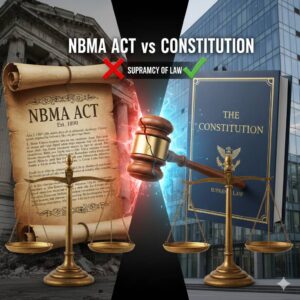
    Beyond questions of professional background, the ongoing debate reflects a broader tension between public perception and constitutional principle.

    In many instances, public discourse has elevated sector-specific notions of competence above the supremacy of the constitution.

    Under Nigeria’s constitutional framework, the President is vested with the discretion to appoint individuals he considers fit and capable, provided such appointments align with merit, public interest and the rule of law.

    Legal analysts stress that the NBMA Act does not diminish this authority but functions within the broader constitutional order.

    As Nigeria pursues its objectives in food security, environmental sustainability, technological innovation and biosafety governance, the NBMA remains central to national development.

    Consequently, stakeholders argue that public confidence in the agency should not be judged by the professional label of its leadership.

    Rather, it should be assessed by measurable outcomes, including institutional performance, transparency, accountability and the consistent application of safety standards.

    Ultimately, the constitution affirms the President’s prerogative to appoint individuals based on his assessment of competence and suitability for public office.

    In conclusion, analysts emphasise that national discourse should move beyond controversy and prioritise strengthening institutions.

    Leadership, irrespective of professional background, must focus on advancing the mandate, credibility and long-term stability of the National Biosafety Management Agency.(NANFeatures)

    ***If used, please credit the writer and the News Agency of Nigeria.


    Source: NAN – https://nannews.ng/2026/01/13/navigating-the-biosafety-act-under-constitutional-authority/

  • Overhauling Nigeria’s emergency response mechanism

    Overhauling Nigeria’s emergency response mechanism

    By Kayode Adebiyi, News Agency of Nigeria (NAN)

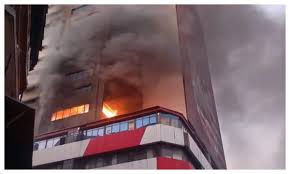
    The Christmas Eve fire outbreak at a 25-storey building on Lagos Island has once again thrust Nigeria’s emergency response system into the public spotlight.

    It has also renewed concerns over the country’s preparedness for large-scale disasters.

    According to the Lagos State Emergency Management Agency (LASEMA), the inferno at the Great Nigeria Insurance building claimed three lives and left at least 12 others injured, while goods worth millions of naira were destroyed.

    Disturbingly, the bodies of the deceased were only recovered from the rubble four days after the incident; an outcome that has fuelled public criticism.

    This is not an isolated case.

    Previous fire incidents, including the blaze that displaced traders at the Tejuosho Market in Yaba, Lagos, were similarly met with complaints from victims over delayed and poorly coordinated responses.

    Beyond fire outbreaks, other emergency situations have also exposed systemic weaknesses.

    On Dec. 29, a tragic road crash involving British-Nigerian boxer Anthony Joshua at the Sagamu end of the Lagos–Ibadan Expressway claimed the lives of two of his friends.

    Although dissimilar in nature, the handling of the aftermath attracted widespread criticism, especially over the timeliness and efficiency of emergency services.

    Against this backdrop, experts describe Nigeria’s emergency response landscape in 2025 as one of mixed fortunes.

    On the one hand, it has been marked by catastrophic failures; on the other, by the gradual emergence of technology-driven solutions.

    Albeit the existence of a formal institutional framework under the National Emergency Management Agency (NEMA), analysts argue that the system remains dangerously reactive rather than proactive.

    Dr Adeleke Pitan, an emergency response expert, notes that the current approach often waits for disasters to occur before mobilising resources, instead of using predictive data to pre-position assets in high-risk locations.

    He emphasised that the first 60 minutes following a traumatic incident; the so-called ‘Golden Hour’, is critical to survival.

    However, in Nigeria, this window is frequently lost to traffic congestion, weak communication systems and the absence of decentralised response units.

    The devastating floods in Mokwa, Niger State, in May 2025 underscore this challenge.

    The disaster left 159 people dead and nearly 100 others missing.

    NEMA said it had issued early warnings ahead of the flooding, working in collaboration with the Nigerian Meteorological Agency (NiMet) and the Nigeria Hydrological Services Agency (NIHSA).

    “In collaboration with NiMet and NIHSA, NEMA’s early warning systems involved disseminating seasonal climate predictions and real-time flood alerts via radio, television, social media and town criers,” the agency said.

    Nevertheless, analysts such as Richard Davies argue that early warnings alone are insufficient when local emergency infrastructure lacks the capacity to respond.

    Citing a joint assessment by the International Organisation for Migration (IOM), NEMA and partners, Davies said 3,018 individuals across 503 households were directly affected by the Mokwa floods.

    “Of these, 1,590 people were displaced, while 1,428 remained in damaged or flooded homes. At least 265 houses were destroyed and a further 20 were severely damaged,” he said.

    Beyond weak local capacity, limited resources remain a major constraint for emergency responders.

    A recent publication by Emergency Response Africa (ERA) revealed that, as of early 2025, Lagos State reportedly had only one functional heavy-duty crane dedicated to major rescue operations.

    “Many critical tools such as cranes, earthmovers and fire trucks have exceeded their operational lifespan,” the report stated.

    “As of 2024, the state reportedly had just one functional crane for major rescue operations, which is grossly inadequate for a megacity of over 20million people.

    “Compounding the problem, spare parts for these ageing machines are increasingly difficult to source, as some models are no longer in production.

    “This forces LASEMA to depend on private contractors for critical equipment; an option that is both costly and unreliable,” ERA added.

    The healthcare technology firm also identified low public awareness, shortages of skilled emergency personnel and fragmented coordination among response agencies as persistent challenges.

    Experts argue that effective emergency management must begin long before disasters occur, through strict regulatory enforcement.

    They stress that agencies such as state ministries of physical planning must be fully integrated into the emergency response chain to prevent avoidable incidents.

    They cite the Ojodu-Berger building collapse of April 2025, which left one person dead and 13 others trapped.

    Investigations later revealed that the structure had undergone unauthorised modifications.

    More broadly, analysts observe that disaster management in Nigeria is frequently hampered by weak coordination among federal, state and local institutions.

    To address this, they advocate the creation of a unified digital dashboard to enable real-time inter-agency coordination, alongside the full implementation of a functional national ‘112’ emergency helpline.

    Public–private partnerships are also gaining attention.

    For instance, collaborations with firms such as ERA deploy GPS-enabled routing systems to dispatch the nearest available ambulance, helping to bypass referral delays that often prove fatal.

    NEMA’s Director-General, Mrs Zubaida Umar, has consistently called for a fundamental shift in thinking; from reaction to prediction.

    “Emergency management can no longer be reactive; it must be predictive, preventive and participatory.

    “Our citizens should not encounter us only when disaster strikes. They should see us every day, building safer communities, raising awareness and ensuring preparedness,” she said.

    Experts say this shift must be backed by investment in physical mitigation measures such as dams, embankments and improved drainage systems, rather than allocating the bulk of resources to post-disaster relief.

    Similarly, long-term recovery efforts should move beyond the distribution of relief materials to rebuilding climate-resilient housing and restoring farmlands after floods.

    As part of a broader overhaul, analysts also argue that Nigeria must abandon the practice of waiting for emergency fund approvals after disasters occur.

    Instead, they recommend the establishment of dedicated, pre-approved state-level emergency funds that can be accessed immediately once a disaster is declared.

    This, they say, would require states to halt the diversion of ecological funds and ensure that every local government area maintains a trained Community-Based First Responder network.

    Finally, experts call for a comprehensive review of the National Disaster Response Plan to reflect modern emergency response strategies and clearly define the roles and call-out procedures of all stakeholders. (NANFeatures)

    ***If used, please credit the writer and the News Agency of Nigeria.


    Source: NAN – https://nannews.ng/2026/01/13/overhauling-nigerias-emergency-response-mechanism/

  • Bridging Nigeria’s healthcare gaps through artificial intelligence

    Bridging Nigeria’s healthcare gaps through artificial intelligence

    By Folasade Akpan

    Walking into a typical primary healthcare centre in Nigeria, one is often confronted by overworked health workers juggling long queues, limited diagnostic tools and incomplete patient records.

    By contrast, in better-equipped facilities, digital platforms powered by Artificial Intelligence (AI) can already analyse symptoms, flag high-risk cases and support clinical decisions within seconds.

    This stark disparity captures Nigeria’s evolving relationship with AI in healthcare; a space marked by high expectations, but also deep concerns about readiness, regulation and public trust.

    Health experts say AI has moved beyond the realm of distant innovation to become a practical tool for healthcare delivery in Nigeria.

    Its relevance is growing as the country faces an overstretched workforce, a rising disease burden and mounting pressure to achieve Universal Health Coverage (UHC).

    In recent months, initiatives such as the launch of AI-enabled healthcare platforms and renewed policy conversations have brought the debate into sharper focus.

    While proponents argue that AI could help Nigeria overcome long-standing structural weaknesses, critics warn that weak data systems, poor infrastructure and regulatory gaps may limit its impact, or even cause harm.

    Speaking in Abuja at the inauguration of the Koyo Navigate App, an AI-enabled healthcare service platform, the Speaker of the House of Representatives, Mr Tajudeen Abbas, described AI as a potential equaliser in a health system marked by inequality.

    “AI-driven services are not just technological upgrades; they are pathways to better health outcomes, dignity and independence,” Abbas said.

    He noted that globally, AI had proved effective in accelerating diagnostics, supporting early intervention and enabling more personalised care.

    Beyond political endorsements, health technology experts say AI is already transforming healthcare delivery worldwide, offering lessons Nigeria could adapt to its own context.

    At the Afrihealth Conferences and Exhibitions in Abuja, Dr Kunle Kakanfo, founder of Artificial Intelligence for Social Impact Development (AI4SID), said Nigeria must harness AI to strengthen its fragile health system.

    “We are seeing AI used in clinical decision support, with chatbots helping people identify basic symptoms and supporting healthcare workers to determine which conditions require urgent attention,” Kakanfo said.

    According to him, AI is also facilitating task-shifting, predictive disease surveillance and more efficient resource planning.

    “Given the inefficiencies within our healthcare system, AI can serve as a leapfrog innovation to fast-track efficiency,” he added.

    For others, the appeal of AI lies primarily in its ability to stretch Nigeria’s limited human resources.

    Mr Abdulhamid Yahaya, Deputy Director for Global Health Informatics at eHealth Africa, said Nigeria’s low doctor-to-patient ratio made technology indispensable.

    “Nigeria is severely overburdened. Community health workers operate with limited tools and resources, yet the patient load is among the highest,” he said.

    “So how do you scale? Use AI technology. It helps you to take a simple, effective use case and replicate it thousands, millions of times”.

    Similarly, Dr Francis Ohanyido, Director-General of the West African Institute of Public Health, outlined AI as a transformative technology that could redefine work and healthcare delivery if properly understood and managed.

    “AI will not take people’s jobs; those who refuse to adapt will lose theirs, AI is here to stay and must be seen as a partner, not a threat, “Ohanyido warned.

    He added that a growing AI ecosystem could become a major driver of economic recovery and talent retention if harnessed through innovation, partnerships and sound regulatory frameworks.

    “The African AI industry could generate between 13 and 18 billion dollars by 2030.

    “If implemented well, Nigeria could lead this growth, attract investment and curb healthcare workforce migration”.

    Albeit this optimism, concerns remain substantial.

    At the global level, the World Health Organisation (WHO) has warned that although the use of AI in healthcare is accelerating, legal and ethical safeguards are lagging behind.

    In a report titled `Artificial Intelligence Is Reshaping Health Systems: State of Readiness across the WHO European Region’, the organisation noted that AI is already helping doctors detect diseases earlier, reduce administrative burdens and improve patient communication.

    However, it cautioned that weak regulation could widen inequities rather than close them.

    “While the technology is reshaping how care is delivered, data interpreted and resources allocated, without clear strategies, data privacy protections, legal guardrails and investment in AI literacy, we risk deepening inequities,” said Dr Hans Kluge, WHO Regional Director for Europe.

    The WHO observed that although many countries recognise AI’s transformative potential, only a few have developed dedicated national strategies, with legal uncertainty and financial constraints remaining major barriers to adoption.

    These concerns resonate locally.

    Dr Kemisola Agbaoye, Director of Programmes at Nigeria Health Watch, said Nigeria still faces major gaps in data quality, infrastructure, skills and public trust.

    “Data is foundational. You cannot build a realistic AI healthcare system without reliable data,” she said.

    She also pointed to trust deficits at the community level.

    “When communities are told that healthcare workers will rely on AI tools, a great deal of trust-building is required”.

    Nevertheless, she acknowledged gradual progress.

    “There is a lot happening. Are we ready for AI in healthcare? Not yet; but we are moving in that direction,” she said.

    In response, the Federal Government says steps are being taken to address these challenges.

    Dr Leke Ojewale, Senior Technical Adviser to the Coordinating Minister of Health and Social Welfare on Digital Health, said the Nigerian Digital Health Architecture (NDHA) is being developed to ensure AI tools operate within a unified and secure system.

    “We are building the NDHA to ensure that all AI tools in health plug into a single, interoperable framework,” Ojewale said.

    He explained that the architecture would be anchored on national registries and a Health Information Exchange to support secure data sharing and responsible AI deployment.

    On the legislative front, the National Assembly has also pledged support for digital health innovation.

    The Senate President, Sen. Godswill Akpabio, said lawmakers were committed to advancing legislation that supports telemedicine, electronic health records and the use of AI for diagnosis and surveillance.

    “We will advance legislation that supports digital innovation, telemedicine, electronic records and AI-driven diagnosis and surveillance,” he said.

    “We must build a digital backbone that connects every primary health centre to every tertiary hospital, ensuring continuity of care, transparency and accountability”.

    He stressed that innovation was no longer optional.

    “We cannot build a 21st-century nation with 19th-century tools. Innovation is not an accessory; it is our lifeline”.

    Even so, experts agree on a critical caveat; AI must complement and not replace human judgement.

    Aligning with this view, the Nigeria Medical Association (NMA), Kwara Chapter, said the use of AI in medicine should enhance human intelligence rather than substitute it.

    The chapter’s chairman, Prof. Abdulrahman Afolabi, said no algorithm could replicate the compassion, moral reasoning and trust that define the physician-patient relationship.

    “Physicians must be active participants in shaping this transformation, not passive observers.

    “We must ensure that technology serves humanity, not the other way around,” he said.

    Without technology, analysts warn, Nigeria may struggle to meet its UHC targets. With it, the country has an opportunity to improve diagnostics, surveillance and access to care at scale.

    For now, the conversation continues, balancing optimism with caution.

    Policymakers, health workers and citizens are weighing how best to harness artificial intelligence to strengthen healthcare delivery while protecting patients, data and public trust. (NANFeatures)


    Source: NAN – https://nannews.ng/2026/01/15/bridging-nigerias-healthcare-gaps-through-artificial-intelligence/

  • How UNESCO’s Biodiversity Initiative safeguards forests, communities

    How UNESCO’s Biodiversity Initiative safeguards forests, communities

    By Ijeoma Olorunfemi, News Agency of Nigeria (NAN)

    With forests shrinking and ecosystems degrading, the global biodiversity crisis has shifted from a distant environmental concern to an urgent development challenge.

    Nearly one million species now face extinction, underscoring the need for practical, community-driven solutions.

    In response, the United Nations Convention on Biological Diversity (CBD) adopted the Kunming-Montreal Global Biodiversity Framework (GBF) in December 2022, setting ambitious targets to be achieved by 2030 and beyond.

    Central to the framework is the commitment to conserve 30 per cent of the world’s land and marine ecosystems by 2030, popularly referred to as the “30 by 30” target.

    Beyond conservation, the GBF also prioritises the sustainable use of biodiversity, increased financing for nature, integrated land and sea-use planning, and the mainstreaming of nature’s value into economic and development activities.

    Importantly, the framework recognises the crucial role of indigenous peoples and local communities, emphasising that biodiversity protection must not undermine their rights, livelihoods or cultural heritage.

    Against this backdrop, the UN Educational, Scientific and Cultural Organisation (UNESCO) has continued to deepen engagement with host communities through advocacy, awareness campaigns and validation workshops aimed at promoting environmental stewardship.

    To further consolidate these efforts, UNESCO secured one million dollars in funding from the India–UN Development Partnership Fund to implement biodiversity business training across three sites in Nigeria.

    The selected locations are Shere Hills, characterised by undulating hills and rocky formations on the Jos Plateau; Oban Biosphere Reserve, a tropical rainforest located in Akamkpa Local Government Area of Cross River; and Omo Biosphere Reserve, another tropical rainforest situated in Ogun.

    According to UNESCO, biodiversity refers to the variety of life on Earth, encompassing all living organisms and their interactions within ecosystems.

    It is fundamental to human well-being, ecosystem stability, food security, cultural identity and economic development.

    Given the dependence of host communities on forest resources for survival, youths and women were deliberately selected from communities surrounding the reserves for training in nature-based and alternative livelihood businesses.

    The objective was to reduce pressure on fragile ecosystems by curbing harmful human activities such as illegal logging, wildlife hunting and forest encroachment.

    The conservation initiative was implemented in partnership with the Federal Ministry of Environment, the Forestry Research Institute of Nigeria (FRIN), the National Park Service (NPS) and Nigeria’s Man and the Biosphere (MAB) Committee.

    It was tagged “Biodiversity Business in Oban Biosphere Reserve, Omo Biosphere Reserve and Shere Hills Reserve, Nigeria: A Means to Poverty Reduction, Biodiversity Conservation and Sustainable Development”.

    The programme trained community members in tomato farming, poultry, fisheries and piggery.

    The training aimed to enable participants to engage in sustainable agriculture and animal husbandry without exerting pressure on forest resources, while also supporting food security, income generation and the preservation of endangered plant and animal species.

    The programme held from Oct. 6 to Oct. 11 for 10 Shere Hills communities; Oct. 27 to Nov. 1 for Nov. 12 Oban communities; and Nov. 10 to Nov. 15 for 10 Omo communities.

    Speaking at the programme, Dr Jean-Paul Abiaga, Head of UNESCO Abuja Office and Representative to Nigeria, said the initiative addressed a core UNESCO priority of balancing conservation with sustainable development.

    According to him, the training is especially timely as the global community intensifies efforts to protect 30 per cent of the planet’s land and sea by 2030.

    “At UNESCO, our philosophy is simple but powerful; to reconcile nature protection with human development within our biosphere reserves.

    “We count on continued partnership with state governments and local communities to ensure the success of this project,” Abiaga said.

    He outlined the initiative as a bold step that should inspire collective action linking conservation with community well-being, adding that UNESCO hoped the programme would deliver lasting benefits for both people and nature.

    Abiaga also noted that the programme aligns with several Sustainable Development Goals (SDGs), including SDG 1 (No Poverty), SDG 2 (Zero Hunger), SDG 6 (Clean Water), SDG 13 (Climate Action) and SDG 15 (Life on Land).

    “UNESCO reaffirms its commitment to working hand in hand with relevant institutions to achieve the project’s objectives and deliver tangible results for Nigeria’s communities and ecosystems,” he said.

    During the Omo reserve training, Abiaga paid a courtesy visit to the Secretary to the Ogun State Government, Mr Tokunbo Talabi, urging the state to sustain its commitment to preserving the biosphere reserve.

    The Minister of Environment, Mr Balarabe Lawal, said the training was a pathway for communities to profit from sustainable resource use while safeguarding ecological integrity.

    Represented by Prof. Zacharia Yaduma, Director-General of FRIN, Lawal said environmental education, combined with business and livelihood skills, remained critical to achieving sustainability.

    “By equipping participants with entrepreneurial skills, we are promoting nature-based businesses that enhance local resources, alleviate poverty and encourage sustainable production methods,” he said.

    Also speaking, Dr Enang Moma, National Professional Officer, Natural Science Sector, UNESCO, said the programme aligns with Nigeria’s National Development Plan (2021–2025), especially its focus on poverty reduction, sustainable development and biodiversity conservation.

    She added that the training would strengthen participants’ capacity to operate green businesses, generate sustainable income and reduce harmful activities within forest ecosystems.

    Moma further highlighted the programme’s contribution to South-South cooperation, noting Nigeria’s participation in the 36th MAB-ICC conference, where discussions focused on soil health and its role in supporting biodiversity and nutrient cycling.

    At the Shere Hills training, Dr Collina Kambai, Focal Person for the area, said 223 participants were trained in piggery, while 177 received training in greenhouse tomato cultivation, which has boosted the community’s visibility and income potential.

    Although Shere Hills is yet to be officially designated a biosphere reserve by UNESCO, Kambai expressed optimism that approval would further expand benefits for host communities.

    Similarly, Dr Tayo Oyetayo, Focal Point for Omo Biosphere Reserve, recalled that the reserve was approved by UNESCO in 1977 and has since benefited from grants and capacity-building initiatives.

    Explaining the structure of biosphere reserves, Oyetayo said they comprise core, buffer and transition zones, with the core strictly protected, the buffer partially protected, and the transition zone allowing regulated human activities.

    He lamented increasing encroachment into protected areas, which has endangered species such as iroko and mahogany trees, while elephants, once dominant in the forest are now under serious threat.

    In Cross River, CP Joseph Ntui, Conservator of the Cross River National Park, Akamkpa, pledged the National Park Service’s commitment to global conservation standards.

    He said Nigeria is a signatory to several international conventions aimed at protecting biodiversity, mitigating climate change and safeguarding ecosystems.

    Meanwhile, Prof. Yaduma, Chairman of Nigeria’s MAB Committee, disclosed that three additional sites; Gashaka-Gumti National Park, Kainji National Park and Okomu National Park, have been proposed for UNESCO recognition.

    According to him, securing approval would boost eco-tourism, attract funding, strengthen capacity building and create alternative livelihoods for host communities.

    He expressed confidence that expanded conservation efforts would yield long-term environmental and economic benefits for Nigeria.

    All in all, stakeholders insist that linking conservation with community livelihoods is crucial to protecting Nigeria’s forests.

    They noted that training and providing alternative income sources would help ease pressure on ecosystems while supporting national development and global biodiversity targets. (NANFeatures)


    Source: NAN – https://nannews.ng/2026/01/16/how-unescos-biodiversity-initiative-safeguards-forests-communities/

  • Eyes on prize, claws on crown as two lions clash in AFCON final

    Eyes on prize, claws on crown as two lions clash in AFCON final

    By Victor Okoye, News Agency of Nigeria (NAN)

    With destiny within reach, Senegal’s Teranga Lions hunt a second continental crown, while Morocco’s Atlas Lions roar at home, determined to end a 49-year wait and turn ambition into African supremacy in Rabat.

    The Africa Cup of Nations Morocco 2025 final pits champions Senegal against hosts Morocco on Sunday, at Rabat’s Prince Moulay Abdellah Stadium.

    The kick-off for the blockbuster final is scheduled for 7 p.m. with Africa’s attention fixed on a clash rich in history, rivalry and continental significance.

    Senegal arrive seeking a second AFCON crown, while Morocco chase a first title in almost five decades on home soil.

    The Teranga Lions will contest their fourth AFCON final and their first since lifting the trophy in 2021.

    Morocco are appearing in their second final and first since 2004, when they lost 2-1 to hosts Tunisia.

    This is the first AFCON meeting between Senegal and Morocco, though it is their 32nd encounter overall.

    Morocco dominate the head-to-head record with 18 wins, compared to Senegal’s six, alongside seven draws.

    The two nations have crossed paths in AFCON qualifiers, World Cup qualifiers and continental tournaments over several decades.

    Most recently, Morocco eliminated Senegal in the semi-finals of the 2024 CHAN, winning 5-3 on penalties after a 1-1 draw.

    Morocco have won four of the last six meetings, with Senegal’s only victory in that run coming in a 2012 friendly.

    The hosts have played all their matches in Rabat, while Senegal have based their campaign in Tanger.

    Morocco become the 15th host nation to reach an AFCON final, extending a strong tradition of home success.

    The last three hosts to reach the final, Tunisia in 2004, Egypt in 2006 and Côte d’Ivoire in 2023, all won the title.

    The last host to lose an AFCON final was Nigeria in 2000, falling to Cameroon on penalties.

    Hosts have won 11 AFCON finals and lost three, with all defeats requiring extra time.

    Senegal are featuring in a final against a North African team for the third time.

    They lost to Algeria in 2019 and defeated Egypt on penalties in 2021.

    This will be Senegal’s first AFCON final against a host nation.

    Historically, AFCON finals between West and North African teams are evenly split, with four wins each.

    Five of those finals were decided in open play, while three went to penalties.

    Senegal reached the final after five wins from six matches, drawing only once in the group stage.

    They defeated Sudan, Mali and Egypt in the knockout rounds, conceding just two goals all tournament.

    The Teranga Lions have kept four clean sheets and could equal their best-ever AFCON tally of five.

    They are unbeaten in their last 17 AFCON matches, winning 12 and drawing five.
    Only one goal has been scored in Senegal’s previous three AFCON finals.

    Their 2021 triumph over Egypt ended 0-0 before a 4-2 penalty shoot-out victory.

    Senegal coach Pape Thiaw has guided his side with authority and calm throughout the campaign.

    “We have reached the final as we aimed, and now we must stay focused to win the title,” Thiaw said.

    “I congratulate my players, especially Sadio Mané, and I also commend Egypt, a great team with an unmatched history.”

    Thiaw is the second Senegalese coach to reach an AFCON final, following Bruno Metsu and Aliou Cissé.

    Victory would ensure both Senegal AFCON titles were won under Senegalese coaches.

    Sadio Mané scored the decisive goal in the semi-final, his 11th AFCON strike.

    Mané is now among the nine players in AFCON history with 10 or more goals.
    He has created 18 chances at the tournament, the most by any player.

    Edouard Mendy has kept four clean sheets, his best return in a single AFCON edition.

    Morocco, meanwhile, have conceded just one goal and kept five clean sheets.

    Goalkeeper Yassine Bounou is the first Moroccan to achieve five clean sheets at one AFCON.

    The Atlas Lions have gone 477 minutes without conceding a goal.

    They have scored nine goals, with Brahim Díaz netting in five successive matches before the semi-final.

    A goal in the final would see Díaz equal Ahmed Faras as Morocco’s joint top AFCON scorer.

    Morocco have attempted 87 shots, second only to Senegal’s 94.

    Achraf Hakimi leads the hosts creatively, with 10 chances created.

    Coach Walid Regragui has again demonstrated his tournament pedigree after another penalty shoot-out success.

    “It’s a superb final with the best African teams of the last three years,” Regragui said.

    “It’s a fifty-fifty match. Senegal are a fantastic team and a brotherly nation.”

    Regragui acknowledged areas for improvement ahead of the final.

    “We have room to improve, but we have spirit and the desire to play for the jersey,” he said.

    Victory would see Regragui become only the second coach to lead Morocco to AFCON glory.

    It would also crown Morocco as simultaneous holders of the CHAN and AFCON titles.

    For Senegal, victory would mean a first AFCON title win away from home.

    For Morocco, it would end an 18,208-day wait for continental supremacy.

    Rabat now awaits a final steeped in history, discipline and ambition, where Africa’s champions will be crowned under the floodlights.(NANFeatures)

    ***If used, please credit the writer and the News Agency of Nigeria (NAN)


    Source: NAN – https://nannews.ng/2026/01/16/eyes-on-prize-claws-on-crown-as-two-lions-clash-in-afcon-final/

  • No love lost as Eagles, Pharaohs fight for pride in AFCON bronze duel

    No love lost as Eagles, Pharaohs fight for pride in AFCON bronze duel

    By Victor Okoye, News Agency of Nigeria (NAN)

    Nigeria and Egypt will clash for AFCON 2025 bronze medals on Saturday, with pride, history and momentum firmly at stake.

    Neither the Super Eagles nor the Pharaohs approach the third-place match lightly, in spite of missing out on Sunday’s final in Morocco.

    Both nations arrived with title ambitions, but fell short at the semi-final stage after intense, draining encounters.

    Egypt were stopped by Senegal in Tanger, while Nigeria bowed out to hosts Morocco after a penalty shootout defeat in Rabat.

    Saturday’s match offers a chance for consolation, legacy and psychological advantage for two African heavyweights.

    Nigeria have scored 14 goals in six matches and remain unbeaten in regulation time at the tournament.

    The Super Eagles believe their performances merited a place in the final.

    Head Coach Eric Chelle said his players must respond positively to disappointment.

    “I am proud of my players, but disappointed for them because we were among the best teams here,” Chelle said.

    He urged focus ahead of the bronze-medal clash.

    “The AFCON is not finished. We must concentrate and win the last game,” Chelle added.

    Chelle admitted uncertainty over his future, but insisted the team comes first.

    “Now is not the time to question my situation. We must respond on the pitch,” he said.

    Nigeria trained in Casablanca on Thursday and will complete official preparations on Friday evening.

    Historically, Nigeria and Egypt dominate AFCON bronze-medal records.

    Nigeria have won eight bronze medals, while Egypt have claimed six.

    Nigeria have never lost an AFCON third-place match.

    Their first bronze came in 1976, beating Egypt 3-2 in Addis Ababa.

    Haruna Ilerika scored twice, while Mudashiru Lawal added a memorable strike.

    Nigeria’s most recent bronze was in 2019, after Odion Ighalo’s early goal sank Tunisia in Cairo.

    The Super Eagles also claimed bronze in 1978, 1992, 2002, 2004, 2006 and 2010.

    Victory on Saturday would extend Nigeria’s advantage over Egypt in bronze medals.

    Egypt, however, see the match as a chance to close the gap.

    Head Coach Hossam Hassan stressed Egypt’s winning tradition.

    “Egypt has a rich AFCON history, and we are playing to win against Nigeria,” Hassan said.

    He described the bronze match as an important conclusion to the campaign.

    “We want to end this tournament on a high note,” he added.

    Hassan reflected on Egypt’s semi-final exit.

    “We were close to the final, but fatigue and short recovery affected us against Senegal,” he said.

    He also linked the match to long-term objectives.

    “Competing at this level prepares us for the World Cup,” Hassan stated.

    The fixture marks the 25th senior-level meeting between Nigeria and Egypt.

    It will be their 10th AFCON encounter, with Nigeria winning five of the previous nine.

    Two AFCON meetings ended scoreless, in Rabat in 1988 and Tunis in 1994.

    One of their most dramatic clashes came in the 1984 AFCON semi-final.

    Nigeria came from two goals down before winning 8-7 on penalties in Abidjan.

    Their most recent AFCON meeting was in 2022, when Nigeria won 1-0 in Garoua, Cameroon.

    Saturday’s bronze-medal match kicks off from 5 p.m. at Stade Mohamed V, Casablanca.

    For both teams, pride, history and a strong finish remain powerful motivations.(NANFeatures)

    ***If used, please credit the writer and the News Agency of Nigeria (NAN).


    Source: NAN – https://nannews.ng/2026/01/16/no-love-lost-as-eagles-pharaohs-fight-for-pride-in-afcon-bronze-duel/

  • Assessing COP30 outcomes in global climate fight

    Assessing COP30 outcomes in global climate fight

    By Gabriel Agbeja, News Agency of Nigeria (NAN)

    As climate impacts intensify across continents; manifesting in deadly heatwaves, prolonged droughts, flooding and food insecurity, the global community continues to search for pathways that balance ambition with implementation.

    It was against this backdrop that the 30th Conference of the Parties (COP30) to the United Nations Framework Convention on Climate Change (UNFCCC) convened in Belém, Brazil, from Nov. 10 to Nov. 21, 2025.

    The summit was designed to accelerate climate action and advance delivery on the Paris Agreement, the landmark international accord aimed at limiting global temperature rise to well below 2°C above pre-industrial levels, while pursuing efforts to cap warming at 1.5°C.

    Under the agreement, countries submit Nationally Determined Contributions (NDCs) outlining how they plan to reduce greenhouse gas emissions and adapt to climate impacts.

    With global emissions still off track; inspite recent slowdowns in growth, COP30 was widely viewed as a critical moment to bridge the widening gap between commitments and action.

    At the close of the conference, parties agreed to significantly scale up climate finance for developing countries.

    This included a commitment to triple support for mitigation and adaptation efforts, an outcome seen as pivotal for climate-vulnerable nations.

    Speaking at the opening of COP30, the Executive Secretary of UN Climate Change, Mr Simon Stiell, urged countries to deepen cooperation on emissions reduction and resilience-building, warning that delays would come at enormous economic and social costs.

    According to him, accelerated emissions cuts and strengthened resilience are essential to restoring the 1.5°C target, even if global temperatures temporarily overshoot.

    Stiell noted that a decade after the Paris Agreement was adopted, there were early signs of progress, with emissions growth beginning to slow as governments legislate and markets respond.

    However, he stressed that current efforts remain insufficient.

    “The science is clear: we can, and must, bring temperatures back down to 1.5°C. Lamenting is not a strategy, we need solutions,” he said.

    Drawing inspiration from Belém’s location at the mouth of the Amazon River, Stiell likened effective climate action to a vast river system powered by many tributaries.

    “To accelerate implementation, the COP process must be supported by many streams of international cooperation. Individual national commitments alone are not cutting emissions fast enough,” he added.

    He warned that climate-related disasters are already shaving double-digit percentages off national GDPs in some regions, with droughts damaging harvests, driving food inflation and deepening poverty.

    Economically, he argued, the case for transition is indisputable.

    Renewable energy sources such as solar and wind have become the cheapest form of electricity in about 90 per cent of the world, while clean energy investments are projected to reach record highs by the end of 2025, outpacing fossil fuel investments by roughly two to one.

    Against this background, Stiell said COP30 would focus on operationalising agreements to triple renewable energy capacity, double energy efficiency, and deliver at least 300 billion dollars in climate finance, with developed countries taking the lead.

    Meanwhile, Nigeria reaffirmed its commitment to climate action, positioning itself as a key player in Africa’s green transition.

    The Director-General of the National Council on Climate Change (NCCC), Mrs Tenioye Majekodunmi, told the News Agency of Nigeria (NAN) on the sidelines of COP30 that the country would intensify efforts to advance a green economy anchored on renewable energy, sustainable agriculture and improved waste management.

    According to her, Nigeria’s climate commitment is backed by a national target to reduce emissions by 32 per cent by 2035.

    “We have submitted our Third Nationally Determined Contribution; the first in West Africa approved the National Carbon Market Framework, and operationalised the Climate Change Fund,” she said.

    Majekodunmi explained that the Federal Government would continue to support private-sector-led off-grid energy solutions, especially for hard-to-reach and underserved communities, in line with Nigeria’s Just Transition Guidelines and Action Plan.

    “These measures will help decarbonise energy production while keeping Nigeria aligned with the Paris Agreement,” she added.

    She further highlighted wind energy as an emerging pillar of Nigeria’s energy mix, urging stakeholders to translate potential into practical, large-scale deployment.

    Also speaking to NAN, Prof. Magnus Onuoha, Executive Director of the West Africa Green Economic Development Institute (WAGEDI), said Nigeria’s growing policy architecture provides a strong foundation for scaling wind energy.

    He recalled that the Electric Power Sector Reform Act of 2005 opened the door to private sector participation in power generation, while Nigeria’s ratification of the Paris Agreement in 2016 reinforced its commitment to low-carbon development.

    According to him, domestic policies such as the Renewable Energy Master Plan (REMP) and the Climate Change Act of 2021 further accelerated renewable energy adoption.

    He noted that the REMP targets renewable energy shares of 23 per cent by 2025 and 36 per cent by 2030, with wind energy identified as a strategic component.

    Onuoha added that Nigeria’s Energy Transition Plan (2022) and the Nigerian Electricity Act (2023) marked important milestones, especially for off-grid electrification in northern and coastal regions.

    “These frameworks provide a roadmap for attracting international support and financing, including partnerships with institutions such as the African Development Bank,” he said.

    At the close of COP30, the Executive Director of the United Nations Environment Programme (UNEP), Mrs Inger Andersen, said the newly launched Tropical Forest Forever Facility (TFFF), now valued at 6.7 billion dollars, would support high-impact actions such as cutting methane emissions and protecting forests.

    She noted that the conference recorded unprecedented participation by Indigenous Peoples and non-state actors, reinforcing global momentum beyond negotiation halls.

    According to Andersen, COP30 demonstrated that the Paris Agreement is delivering results, including renewed calls to triple adaptation finance by 2035 and advance just transition mechanisms to ensure inclusive growth.

    “Keeping 1.5°C within reach requires an unprecedented acceleration of implementation,” she said, adding that countries must treat their national climate plans as a baseline, not a ceiling.

    As COP30 ends, attention is now shifting from pledges to performance.

    The outcomes from Belém have set new benchmarks for finance, energy transition and forest protection.

    However, whether these commitments translate into measurable action will determine the credibility of the global climate response. (NANFeatures)


    Source: NAN – https://nannews.ng/2026/01/16/assessing-cop30-outcomes-in-global-climate-fight/

  • Power, Pride and the Eagles’ rise at AFCON

    Power, Pride and the Eagles’ rise at AFCON

    By Muhyideen Jimoh, News Agency of Nigeria (NAN)

    Amid uncertainty, criticism, and widespread scepticism, the Super Eagles landed in Fes under cold skies and persistent Moroccan rain for the 35th Africa Cup of Nations (AFCON) in 2025.

    From the start, they arrived carrying a weight heavier than their kits; not as favourites, but as wounded giants, one among 24 contenders all vying for Africa’s coveted crown.

    Moreover, this was a team still haunted by the agony of missing the North-America bound World Cup; a team many had written off even before the first ball was kicked in the beautiful Maghreb.

    However, from the blast of the first whistle, the Eagles began to peel off doubt like old feathers.

    They dimmed Tanzania’s Stars, clipped the Carthage Eagles of Tunisia, and dismantled a disjointed Ugandan Cranes with ruthless efficiency.

    In doing so, it was not just victory; it was a declaration, with each match washing away lingering pain and restoring belief.

    By the time the tournament tightened into the unforgiving knockout rounds, the Eagles no longer flinched.

    Mozambique’s Mambas were swiftly devoured, while Algeria’s old foxes were sent scurrying back to the desert, outpaced by raw hunger and the Naija belief.

    Clearly, Nigeria was flying again.

    An excited Nigerian coach, Eric Chelle, described the victories as inspiring, adding that preparation and commitment were evident throughout the contest.

    “I am extremely proud of the boys. They were happy, focused, and brave. We worked hard, and my vision is clearly taking shape in this team,” Chelle said ahead of the titanic semi-final clash in Rabat.

    Then, on the D-day, in the ultimate final-before-the-final as it was dubbed, a hostile red-sea crowd, the roar of Moroccan fans, and questionable officiating all conspired to tilt the vociferous clash.

    Albeit this, the Eagles fought with grit, muscle, and belief, but destiny reduced their dream to football’s cruelest lottery: the penalties.

    Morocco eventually advanced. Yet, Nigeria staggered but did not fall.

    What followed revealed the soul of the nation.

    From Abuja came a rallying backup; President Bola Tinubu stood firmly behind the team, urging them to rise again, to empty the tank, and to fight for pride.

    In response, the Eagles delivered vintage Nigerian football.

    In the bronze medal clash, they caged Egypt’s Pharaohs, seven-time AFCON champions, silencing North Africa’s kings to claim a record ninth AFCON bronze medal; a “golden bronze” forged in resilience rather than regret.

    Moments after the final whistle, President Tinubu again spoke not with disappointment, but with pride, noting that the bronze felt like gold.

    “Thank you, our gallant Super Eagles. Thank you, our national team players.

    This bronze medal surely feels good like gold.

    “Despite their good run during the tournament, the Eagles lost the semi-final to Morocco on penalties, and our people’s hopes of winning the championship were dashed.

    “However, our players remained undaunted. They showed the resilience of the Nigerian spirit, and their effort has now paid off. This team fought for the badge, for the country, and for our collective pride”.

    Clearly, the message resonated far beyond the dressing room.

    With soaring wings and confidence renewed, stakeholders insist the task ahead is clear to sustain the flight, build consistency, and push Nigeria back into the elite circle of world football.

    Beyond the fierce jungle of competition in Morocco lies a deeper story; one of cohesion, preparation, and strategic support.

    Sports stakeholders say the Eagles’ resurgence mirrors a broader reset at home, driven by Tinubu’s deliberate push to reposition Nigerian sports as a global force and a unifying platform for over 240 million citizens.

    Chairman of the National Sports Commission (NSC), Shehu Dikko, said presidential backing made a significant difference for the team.

    “Mr President was personally invested in this team not just in words, but in action.

    “From logistics to player welfare, everything was handled with intent. The players felt that confidence from the highest level, and when athletes feel valued, it reflects in their performance,” Dikko said.

    Dikko added that the bronze medal represents far more than a podium finish.

    “It speaks to the resilience, character, and belief of this Super Eagles team. After a difficult loss against Morocco, they responded with discipline, unity, and courage; values that define Nigerian football and the Nigerian spirit”.

    He also thanked President Tinubu for his fatherly love and support for Nigerian sports.

    Director General of the NSC, Bukola Olopade, also lauded the players and technical crew for their commitment and professionalism throughout the tournament.

    “This is a team that gave Nigerians hope, excitement, and pride. Winning the bronze medal against a strong Egyptian side, and doing so with composure under pressure, is a testament to the mental strength of the players and the quality of preparation by the technical crew,” Olopade said.

    “The collective effort of the squad reflects a team that believes in itself and in the future of Nigerian football”.

    Special Adviser to the President on Information and Communication, and former Sports Minister, Sunday Dare, described the AFCON outing as a product of intentional leadership.

    “President Bola Tinubu understands the power of sports to inspire hope, unite a diverse people, and project Nigeria positively to the world. His support for the team was massive,” Dare said.

    Tinubu’s influence, stakeholders argue, extends beyond football, as seen in the development of the so-called lesser sports.

    It will be recalled that, following recent continental triumphs, Nigeria’s women’s basketball team, D’Tigress, and the Super Falcons were rewarded with cash bonuses, national honours, and houses.

    They also received renewed institutional backing; gestures widely seen as restoring dignity to national service.

    Analysts say the message is clear; excellence will be recognised, and sacrifice will be rewarded.

    As the Super Eagles reflect on their AFCON campaign with quiet pride rather than loud celebration, their combination of talent, teamwork, and renewed belief has reignited a shared Nigerian dream.

    Support from the presidency has reinforced this momentum, helping create a vision of football as a unifying force that lifts the nation’s spirit.

    Ultimately, in Morocco, the Eagles did more than compete for a trophy; they reclaimed national pride, reinforced their identity, and reminded millions at home and abroad of the power of belief. (NANFeatures)

    ***If used, please credit the writer and the News Agency of Nigeria.


    Source: NAN – https://nannews.ng/2026/01/19/power-pride-and-the-eagles-rise-at-afcon/